
Breasts
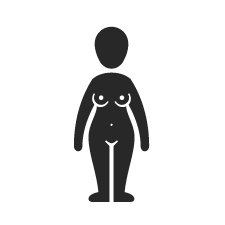
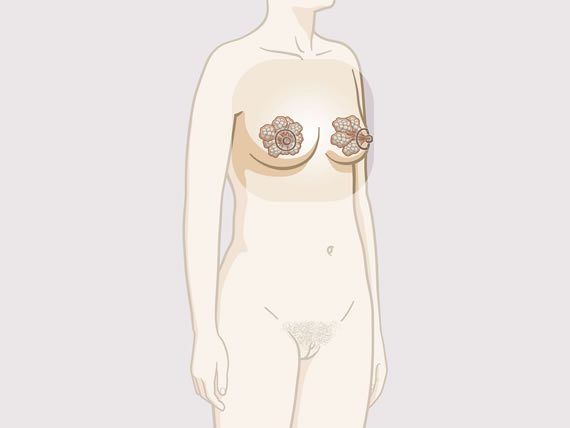
The breasts are the two prominences on the front of the female body.
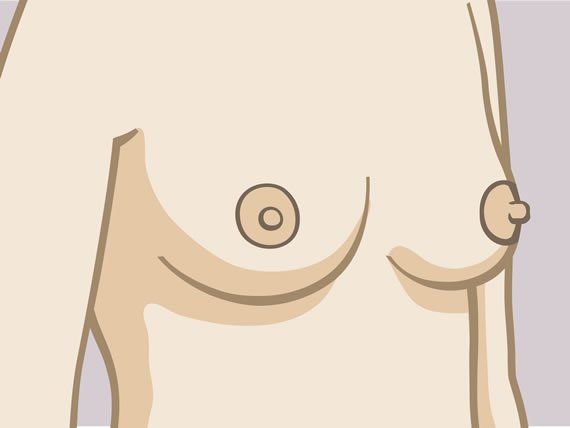
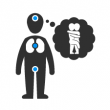
The nipple and the areola sit on top of the breast:
- Nipple (1): the small nob in the center of the breast
- Areola (2): dark circle around the nipple
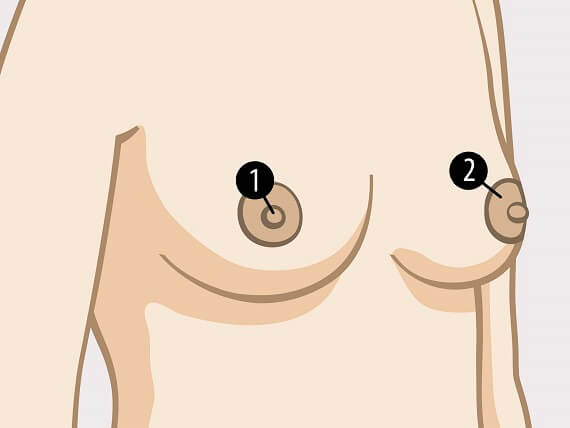
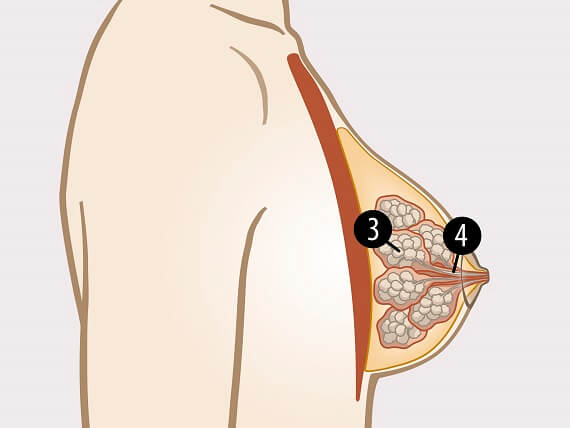
The breast consists of fat, mammary glands and milk ducts:
- Mammory glands (3): small organs that produce breast-milk
- Milk ducts (4): small ducts that carry milk to the nipple.
Breast functions
The breasts have two functions:
- After birth the breasts produce breast-milk. You can use breast-milk to breast-feed your baby.
- The nipples are very sensitive. Touching or stroking the breast or the nipples can give you sexual pleasure. If you are sexually aroused, your nipples will get hard. The nipples can also become hard for other reasons, for example, if you are cold.
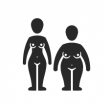
Types of breasts
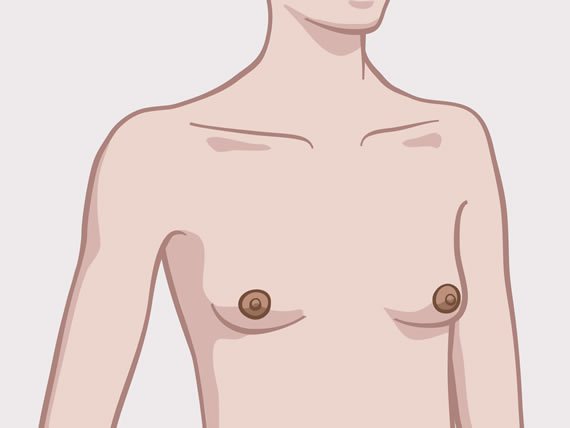
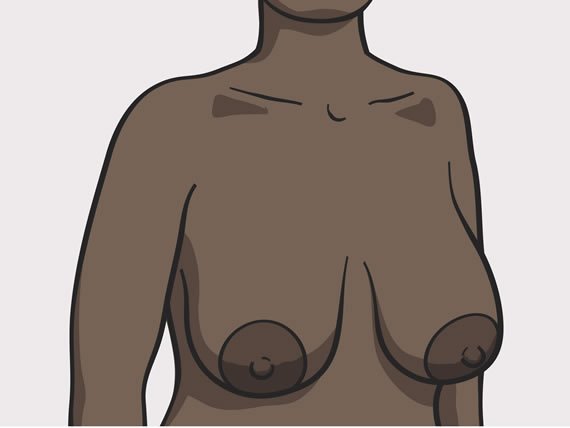
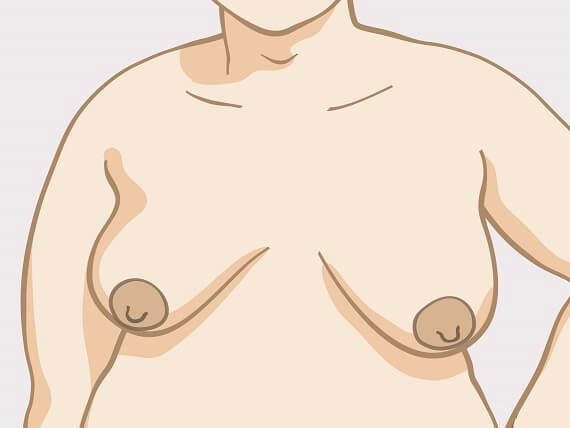
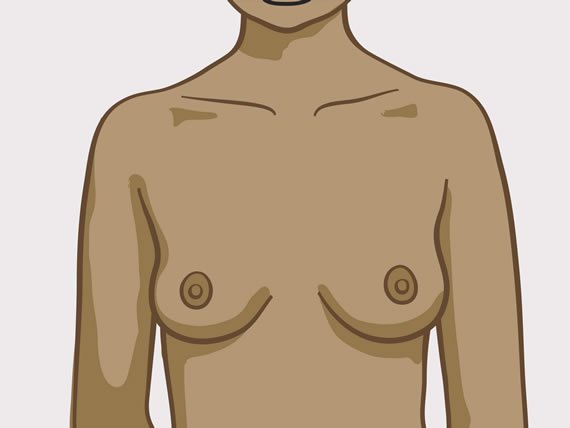
Every woman’s breasts are different. Breasts may be small or large, round or slightly oval. How they look is not important for their function.
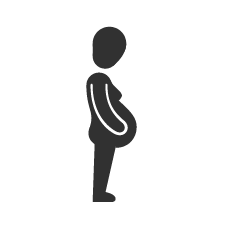
Breasts during pregnancy
During pregnancy your body will prepare your breasts for breast-feeding.
The breasts
- will get larger,
- become more sensitive and sometimes hurt,
- and possibly already secrete a little breast-milk.
Breasts after birth
After birth your breasts will secrete a liquid called colostrum. It is especially rich in protein and helps the baby with its initial digestion. When you put your baby to the breast, the baby will suck on the nipple. This stimulates milk production. After two or three days, the breasts will produce enough breast-milk to feed the baby.
If the baby is too weak to suck, the breast-milk can also be pumped out with a small milk pump. The baby can still feed from the breast-milk.
Some women do not have enough breast milk. Then the baby is fed with formula.
After breast-feeding, the shape of the breasts is usually somewhat different. It is looser and sometimes smaller.